Empowering Rural Communities Through Youth-Led Spaces
Rural communities across Europe face common challenges: youth migration, limited access to opportunities, weak civic participation, and reduced cultural infrastructure. However, these communities also hold significant potential: strong local identity, close-knit social networks, and opportunities for meaningful innovation.
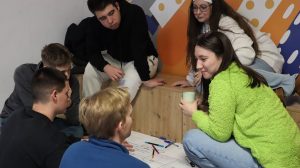
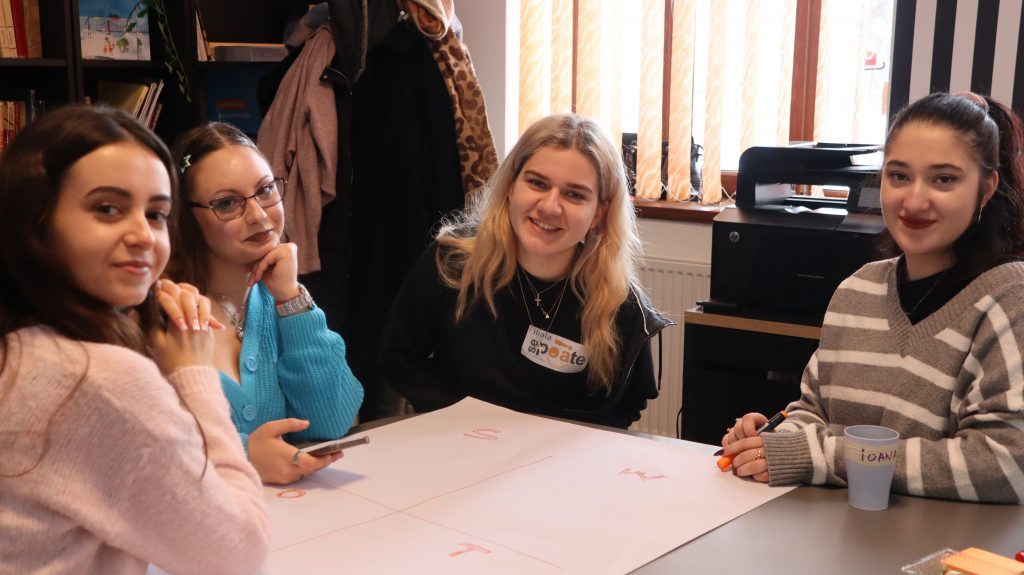
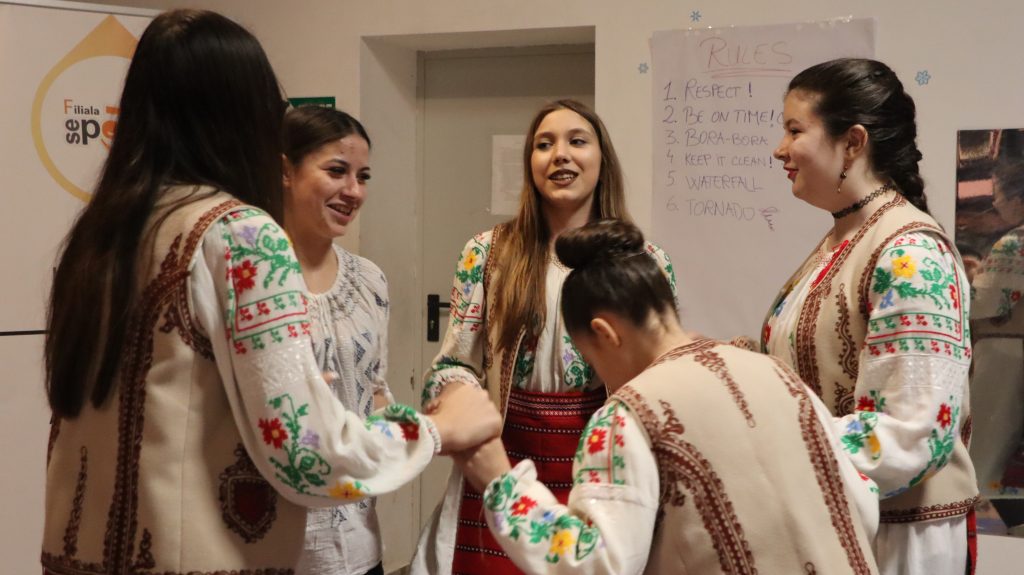
Our experience with the youth space established by Filiala Asociației Se Poate in Troianul, Teleorman County, Romania, demonstrates how a youth space can become more than a meeting room: it can function as a community development hub.
From Space to Ecosystem
The youth space in Troianul was created through cooperation between us, the community, and the local authorities. Instead of focusing only on activities, the initiative focused on building an ecosystem:
Partnerships with municipality and educational institutions;
A volunteer network of young people;
Access to Erasmus+ and European mobility opportunities;
Non-formal education workshops;
Civic and community initiatives.
This approach ensured that the youth space was embedded in local structures rather than isolated from them.
Community Involvement as a Strategic Choice
One of the key lessons from Troianul is that community involvement does not happen automatically. It must be intentionallydesigned.
The youth space involved the community through:
Regular communication with local decision-makers;
Public events and open days;
Volunteer initiatives benefiting the village and the surrounding area;
Youth-led discussions on local issues;
Participation in European projects that raised visibility.
This built legitimacy and trust, which are particularly important in small rural settings.
Rural Innovation in Practice
Innovation in rural youth work does not always mean technology. In Troianul, innovation included:
Giving young people decision-making power;
Creating safe spaces for dialogue;
Encouraging youth to design their own initiatives;
Connecting local issues with European opportunities.
Through these mechanisms, the youth space became a platform for developing transversal skills, leadership, and entrepreneurial thinking.
Key Lessons for Other Rural Communities
The Troianul experience highlights five practical recommendations:
Start with partnership, not isolation.
Map local resources before seeking external solutions.
Give young people real responsibility.
Diversify funding sources to ensure sustainability.
Connect local initiatives with European networks.
Youth spaces can serve as laboratories for rural innovation, places where young people not only participate but shape the future of their communities.
This is what we strive to do through all our work, and in particular through the partnership and shared efforts formed under the Erasmus+ KA2 project Empowering Rural Communities: Youth-Led Spaces for Transformation.
Through it, we strive to:
Develop youth-led spaces in rural communities to support inclusion, diversity, and active participation.
Strengthen the capacity of youth workers to create and manage inclusive, youth-friendly environments through specialized training.
Enhance transversal skills of young people—such as leadership, communication, and digital literacy—through non-formal learning activities.
Promote social inclusion and civic engagement among rural youth, encouraging them to become active members of their communities.
Produce a practical guidebook to help other organizations and communities establish youth spaces and replicate good practices.
Foster international cooperation among partners in Poland, Bulgaria, and Romania to share knowledge and build sustainable support networks for rural youth empowerment.
Read more about Empowering Rural Communities: Youth-Led Spaces for Transformation here: